

We Can Always Count on Native Plants for Unpredictable Times
It’s easier said than done to find native plants at the garden centre. Learn how you can responsibly source and propagate native plants for your home garden.

Hello friend,
Last week, it seemed like we were bracing for a long, dry summer. After a winter with disappointing snowpack and months of unusually dry weather, Vancouver moved into water restrictions earlier than expected. Just a few days ago, we already reached level 3 of our watering restrictions. Quite unusual for a temperate rainforest.
We have wildfire season quickly approaching, and a ton of tourists in town for FIFA, when we already have such low water reserves.
But just a few days ago, we had a deluge of rain that just flooded my whole property. While it won’t fix the forecast for a dry summer ahead, the rain was very much welcome.
Climate is getting more and more extreme, and how we garden will have to adjust accordingly. For Vancouver this summer, that means no more gardening with soaker hoses or sprinklers. You can’t water lawns or fill up fountains. All of this until the fall.
When we plant natives, we’re setting up our gardens to thrive without additional maintenance, including watering. These species have spent thousands of years adapting to the rhythms and extremes of our local climate. As weather patterns become less predictable, native plants offer resilience.
And there’s no drawback. We still get beautiful gardens, and they are less of a chore to maintain. So let’s add some native plants. Here’s exactly how you can source them.
What’s in Season
More ideas for garden therapy this week, based on What’s in Season.
The Healing Power of Gardening: Using the Garden for Recovery
Try These 13 Natural Mulches & Ditch the Dyed Bark and Rubber!
10 Stunning, Water-Wise Permeable Patio Ideas You’ll Love
Cedar Outdoor Dining Table with Planter Insert + Building Plans
Naturally Treat Cuts and Scrapes With Homemade Calendula Salve
Beating the Heat: Protect Plants From Heat Stress
1-Minute DIY Natural Bug Spray Recipe {That Really Works}
Plants and Tips to Create a Bee-Friendly Garden
Paid subscribers can read this post below ad-free. They also get exclusive access to my Membership Library, including my Garden Alchemy workbook, seed starting journal, seed packet printables, and more!
Free members can access this week’s article on propagating native plants by clicking the button below.
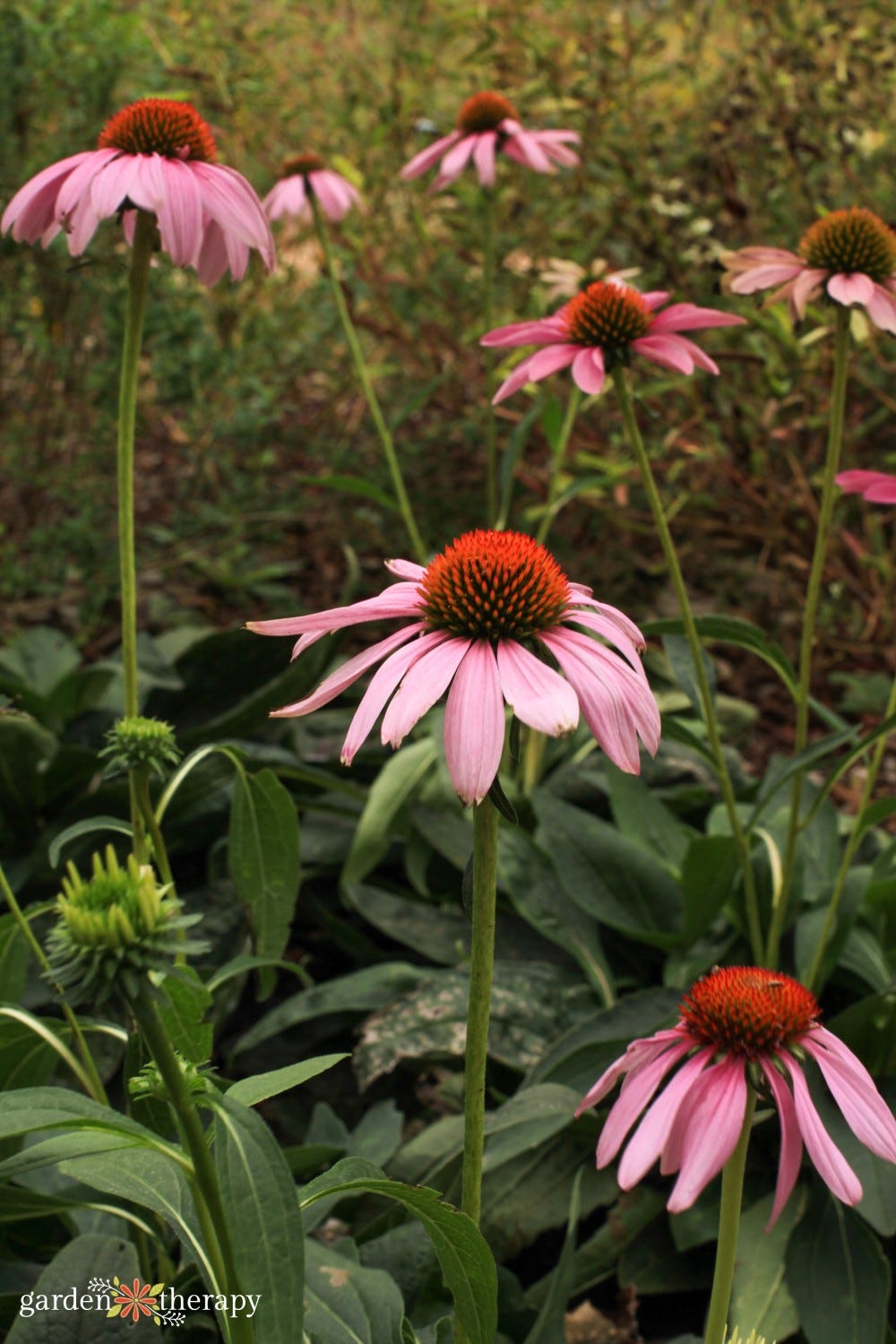
Purple Coneflower (Echinacea purpurea)
Sourcing and Propagating Native Plants: Your Ethical Guide
We’re always told to plant native plants in the garden. I’m sure you’ve heard me say it to you a couple of times.
And it makes sense! Native plants have lower-maintenance needs and built-in resilience, they support local wildlife, AND they improve soil health. Sounds fantastic to me.
But how do you actually acquire these plants? Most garden centres have a small native plant selection and only provide based on demand. How do you know what to plant and what’s not actually good for your area?
If you’ve been told to plant native plants, here’s how to actually do it. I’ll show you how to responsibly source these plants, propagating methods, and some planting tips for native plants.
